

Bleeding Gums When Brushing: Causes and When to See a Dentist
Quick answer: Gums that repeatedly bleed when you brush or clean between your teeth need assessment. Plaque-related gum inflammation is one possible cause, but bleeding alone cannot tell you what is wrong. Continue gentle daily cleaning, arrange a dental visit for recurring bleeding, and seek prompt care for heavy bleeding or symptoms of infection.

The decision in context
A pink mark in the sink can be easy to dismiss when your teeth do not hurt. It can also make you hesitant to brush the area again. The useful next step is to find the cause and check your cleaning technique, rather than either ignoring it or scrubbing harder.
Elite Dentistry provides periodontal gum care and dental hygiene appointments in Neutral Bay. This guide explains what to notice before your visit and what to ask during it.
Why gums may bleed when you brush
Healthdirect’s guidance on dental bleeding identifies gum disease, injury and recent dental treatment among possible causes. Plaque can build up along the gum line and contribute to inflammation. Redness, swelling and bleeding may accompany that inflammation.
The early form of gum disease is called gingivitis. More advanced disease, periodontitis, affects tissues supporting the teeth. You cannot reliably distinguish these conditions from the colour of your toothpaste or the amount of blood on floss.
Tell your dentist when the bleeding started, where it occurs and whether it happens only while cleaning or also at other times. Mention recent treatment or injury, your medical history and all medicines you take. Do not stop a prescribed medicine on your own because you have noticed bleeding.
Gingivitis and periodontitis need different care
The Victorian Government’s Better Health Channel explains that gingivitis affects the gums without damaging deeper supporting tissues. It can improve with appropriate cleaning and care. Periodontitis can involve loss of supporting bone and requires assessment and management.
Signs worth reporting include gum recession, loose or shifting teeth, an unpleasant taste and tenderness when biting. A lack of pain does not rule out a gum problem. Ask the dentist what the examination shows rather than assuming that every bleeding spot needs only a routine clean.
Smoking and poorly controlled diabetes are recognised risk factors for gum disease. If either applies to you, include it in the conversation. The purpose is to help your clinician plan care around your health, without blame.
Should you stop brushing or flossing?
For recurring bleeding during ordinary cleaning, stopping altogether can leave more plaque behind. The Australian Dental Association’s interdental-cleaning guidance advises continuing to clean between teeth and having a dental check-up if bleeding persists despite regular cleaning.
Use gentle pressure and ask for a demonstration if you are unsure about technique. Avoid forcing an interdental brush into a space that is too small. Floss, interdental brushes and other cleaning aids suit different mouths; your dental professional can help you choose a practical option.
This advice concerns everyday gum care. If bleeding follows surgery, an extraction or an injury, follow the specific instructions you were given and contact the treating team about concerns. A healing surgical site may need a different approach.
When to arrange a visit, and when to seek urgent help
Book a dental assessment when bleeding recurs, particularly with swelling, recession, loose teeth or persistent bad breath. You do not need to wait until it hurts. Healthdirect advises seeing a dentist or doctor for frequent or heavy mouth bleeding.
| What you notice | A sensible next step |
|---|---|
| Bleeding that keeps returning during brushing or flossing | Arrange a dental assessment and discuss your cleaning routine. |
| Bleeding with loose teeth, gum recession or discomfort when biting | Explain these symptoms when booking so the team can advise on timing. |
| Bleeding after a procedure | Follow discharge instructions and contact your treating clinic if it does not settle as advised. |
| Heavy or uncontrolled bleeding, fever or increasing swelling | Seek prompt dental or medical care. |
| Trouble breathing or rapidly spreading swelling affecting swallowing | Seek emergency care immediately; call 000 in Australia. |
This table cannot assess the urgency of your individual symptoms. If you are unsure, describe them to a dental or medical professional rather than relying on a photograph or an online checklist.
What to discuss at your appointment
Bring a short account of the bleeding. Useful details include whether it is limited to one area, what cleaning tool triggers it and any recent changes to your routine. Your dentist may examine the gums, measure the spaces around the teeth and arrange further checks where needed.
Ask three questions: What appears to be causing the bleeding? What treatment do I need? How will we check whether it is improving? A plan is easier to follow when you understand both the home-care steps and the purpose of a review.
Treatment may include professional removal of plaque and calculus, the hardened deposits often called tartar. More advanced disease may need additional periodontal treatment or referral. The Australian Dental Association’s gum disease factsheet explains the distinction between treating gingivitis and managing periodontitis.
Build a cleaning routine you can maintain
The ADA recommends daily cleaning between teeth. If floss is difficult to use, ask about an alternative and have the team check the size of any interdental brush. A tool you can use comfortably and consistently is more useful than a complicated routine you cannot maintain.
Bring your toothbrush or a photograph of the cleaning aids you use if you want specific guidance. Ask your dental professional to watch your technique and show you how to reach an awkward area. Agree on a review interval suited to your findings rather than assuming every patient needs the same schedule.
Do not treat mouthwash as a replacement for cleaning or a way to avoid assessment. Ask whether a rinse has a role in your plan and how long to use it. If symptoms continue or worsen, contact the clinic instead of simply adding another product.
Get the cause checked in Neutral Bay
Contact Elite Dentistry and tell the team that your gums are bleeding, how often it happens and whether you have other symptoms. The clinic can advise on an appropriate appointment. For an urgent concern, see the emergency dental appointment information and seek timely care.
This article provides general information and does not diagnose the cause of bleeding or replace a dental examination or medical advice. Follow your treating clinician’s instructions after a procedure. Seek urgent care for severe symptoms.
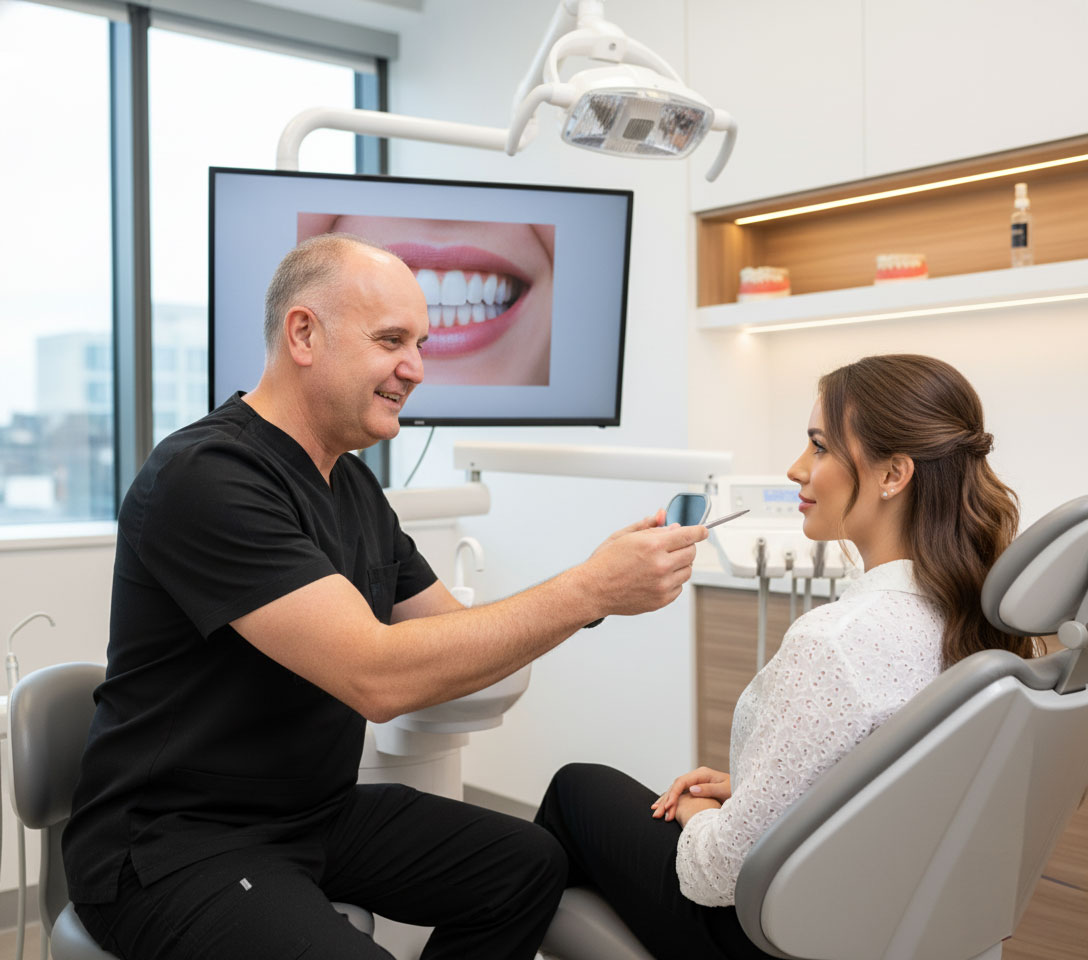
Medically Reviewed by Dr Angelo Economos
Principal Dentist at Elite Dentistry Neutral Bay. Bachelor of Dental Surgery with Honours (University of Sydney, 1994) with 30+ years of clinical experience in cosmetic, restorative, and implant dentistry.