
Do Veneers Damage Your Teeth? Enamel, Preparation and Long-Term Care
Quick answer: Porcelain veneers can involve removing natural tooth enamel, which makes that part of treatment irreversible. The amount of preparation varies, and veneers carry risks such as sensitivity, damage to the restoration and future replacement. Before deciding, ask what will change on each tooth, why that change is needed and whether a less invasive option could address your concern.
Before you agree to preparation
“Will my teeth need to be shaved?” is a reasonable question to bring to a veneer consultation. You deserve a clear answer about the proposed preparation before agreeing to treatment, even when the change is described as small.
If you are considering porcelain veneers in Neutral Bay, this guide explains the questions behind enamel removal and the care your teeth will still need afterwards. It focuses on the commitment involved, rather than choosing a material or comparing prices.
What changes when a tooth receives a veneer?
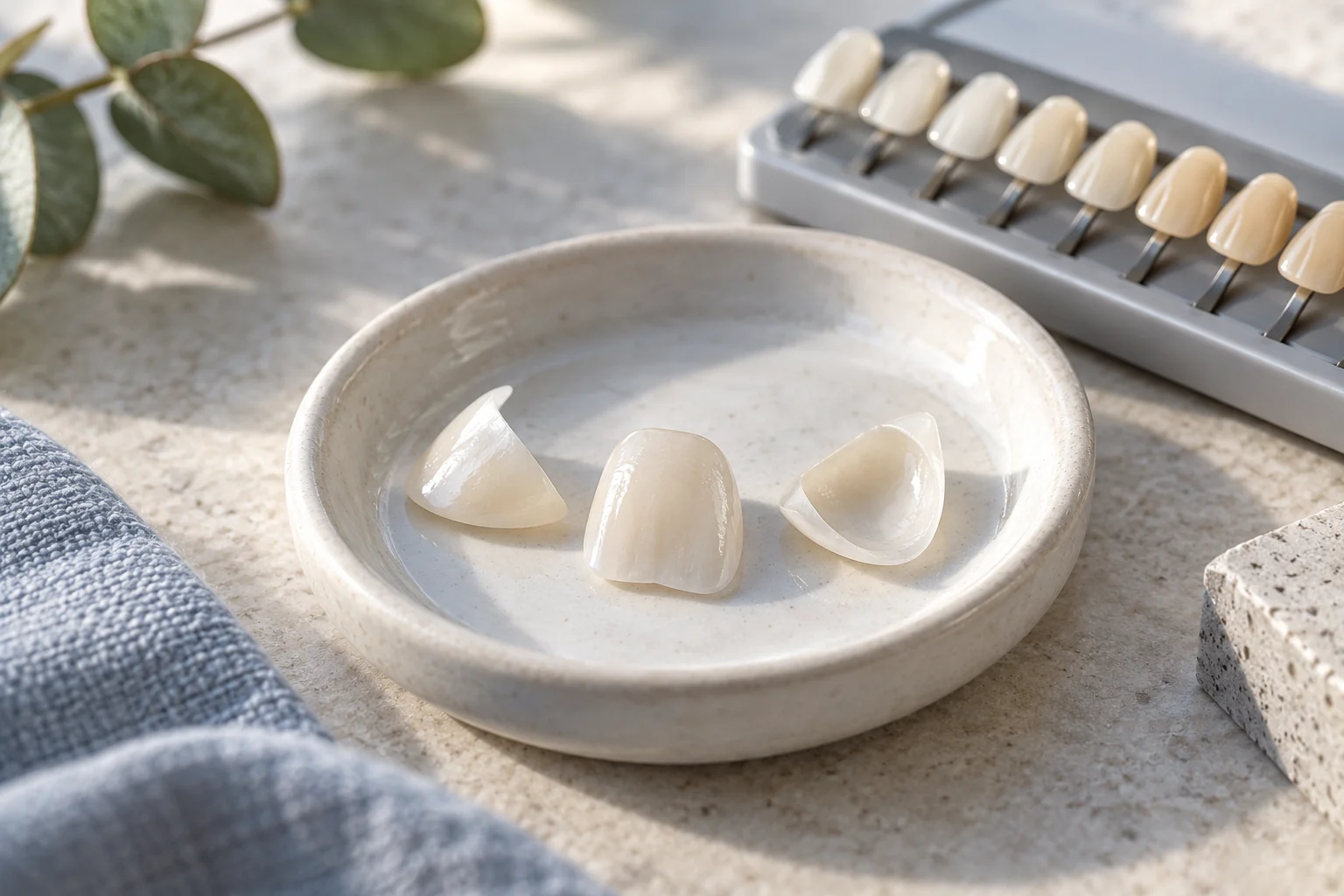
A veneer is a thin facing bonded to the front surface of a tooth. The Australian Dental Association’s veneer information explains that treatment may require little or no tooth reduction, depending on the case. Porcelain veneers are custom-made in a dental laboratory.
That does not mean every proposed veneer leaves the tooth untouched. Preparation can be part of creating space for the restoration. The American Dental Association’s patient guide stresses that treatment involving enamel removal is not reversible.
The useful question is what your dentist plans to change on your teeth. Ask them to explain the preparation tooth by tooth, including whether the edges as well as the front surfaces will be altered. A general thickness figure from an advertisement cannot answer that question.
Does “minimal preparation” mean no permanent change?
Minimal preparation describes the extent of a proposed change; it does not automatically make that change reversible. If natural enamel is removed, you cannot simply take the veneer off later and return to the original tooth.
Terms such as “no-prep” also need explanation. Ask whether the plan includes reshaping, smoothing or any other alteration, and what removing or replacing the veneer would involve. Do not make the decision from a treatment label alone.
There is no single amount of tooth reduction that suits every mouth. Ask why preparation is needed, what the dentist hopes to preserve and whether a different approach could reduce the intervention. You should understand that reasoning before the preparation appointment.
Veneers and crowns are different treatments
A veneer generally covers the front surface. A crown surrounds more of the visible tooth. Cleveland Clinic’s veneer guide explains this distinction and the different roles of cosmetic veneers and crowns used to restore damaged teeth.
If you see photographs of teeth reduced to small stumps, do not assume that every veneer plan involves that preparation. Equally, ask for clarification if the proposed restoration is called a veneer but the explanation sounds like a crown.
A heavily restored or damaged tooth may need a different treatment from a healthy tooth with a cosmetic concern. Ask which restoration is proposed for each tooth and why. A name on a package is less useful than an explanation of your own clinical findings.
What risks should you discuss?
Veneers are not a risk-free cosmetic covering. Cleveland Clinic identifies sensitivity to hot and cold and the possibility of a veneer becoming dislodged among the disadvantages. Your clinician should explain which risks matter in your case and how they would be managed.
Preparation can also affect the living tissue inside a tooth. Manchester University NHS Foundation Trust’s restoration-risk leaflet explains that some teeth receiving crowns, veneers or bridges may subsequently need root canal treatment. This is a possible complication, not an outcome to assume for every patient.
Discuss existing fillings, previous injuries, sensitivity and any history of clenching or grinding. The American Dental Association notes that grinding and certain bite relationships may make veneers unsuitable. Ask whether the proposed plan addresses those concerns before cosmetic treatment begins.
You can also ask what happens if a veneer chips, loosens or needs replacement. Understanding the repair pathway and likely additional costs is part of giving informed consent.
Could another approach address your concern?
Start by describing the specific change you want, rather than requesting a fixed number of veneers. Is the concern colour, a chipped edge, tooth position or several features together?
| Your main concern | An option to discuss | A question for the consultation |
|---|---|---|
| Tooth colour | Dentist-supervised whitening | Could whitening address this discolouration, and what are its limits? |
| A small chip or shape concern | Composite bonding or another restoration | Could a local repair meet my goal with less intervention? |
| Crowding or tooth position | Orthodontic assessment | Would moving the teeth be more appropriate than covering their appearance? |
| Several cosmetic concerns | A combined or staged plan | Which changes are necessary, and which are optional? |
Whitening changes the colour of natural teeth; it does not reshape them or lighten existing porcelain veneers. It has its own risks, including sensitivity, and needs a suitability assessment. Elite’s whitening comparison guide explains the treatment options.
For alignment questions, explore Invisalign assessment. If you are comparing restoration materials, our porcelain versus composite veneer guide covers that separate decision. Choosing no cosmetic treatment is also an option to discuss.
Your natural teeth still need care afterwards
A veneer does not make the tooth beneath it immune to decay. The Australian Dental Association advises brushing twice daily with fluoride toothpaste and cleaning between teeth every day. It also notes that restorations can chip, fracture or need replacement over time.
Ask your dentist to show you how to clean around the veneer margins and recommend a review schedule. If grinding is a concern, ask whether a protective appliance is appropriate. Do not assume that a long-term restoration comes with a guaranteed lifespan.
Keep a copy of the treatment plan and information about the restorations used. Those records can help future discussions about maintenance, repairs and replacement. Our veneer cost guide explains the inclusions to look for in a written estimate.
Questions to take to your veneer consultation
Before agreeing to preparation, ask:
- Which teeth are suitable for veneers, and why does each need treatment?
- What natural tooth structure will be removed from each tooth?
- Could whitening, bonding, orthodontics or a smaller treatment plan address my concern?
- What are the risks for my teeth, gums and bite?
- Can I review the proposed appearance before preparation, and what can a preview realistically show?
- What happens if a veneer fails or needs replacing, and which costs are included?
Take time to consider the answers. An elective treatment decision should leave you clear about the permanent changes, possible benefits and future responsibilities.
Discuss your options in Neutral Bay
Contact Elite Dentistry to discuss a veneer assessment. Explain what you would like to change and bring any concerns about enamel removal. Ask for a personalised plan that sets out preparation, alternatives, risks, fees and ongoing care before deciding whether to proceed.
This article provides general information and does not replace a dental examination, individual advice or informed consent. Veneers may involve irreversible tooth preparation and carry risks. Suitability, treatment needs and outcomes vary between patients.