
How Long Do Porcelain Veneers Last? Care, Repairs and Replacement
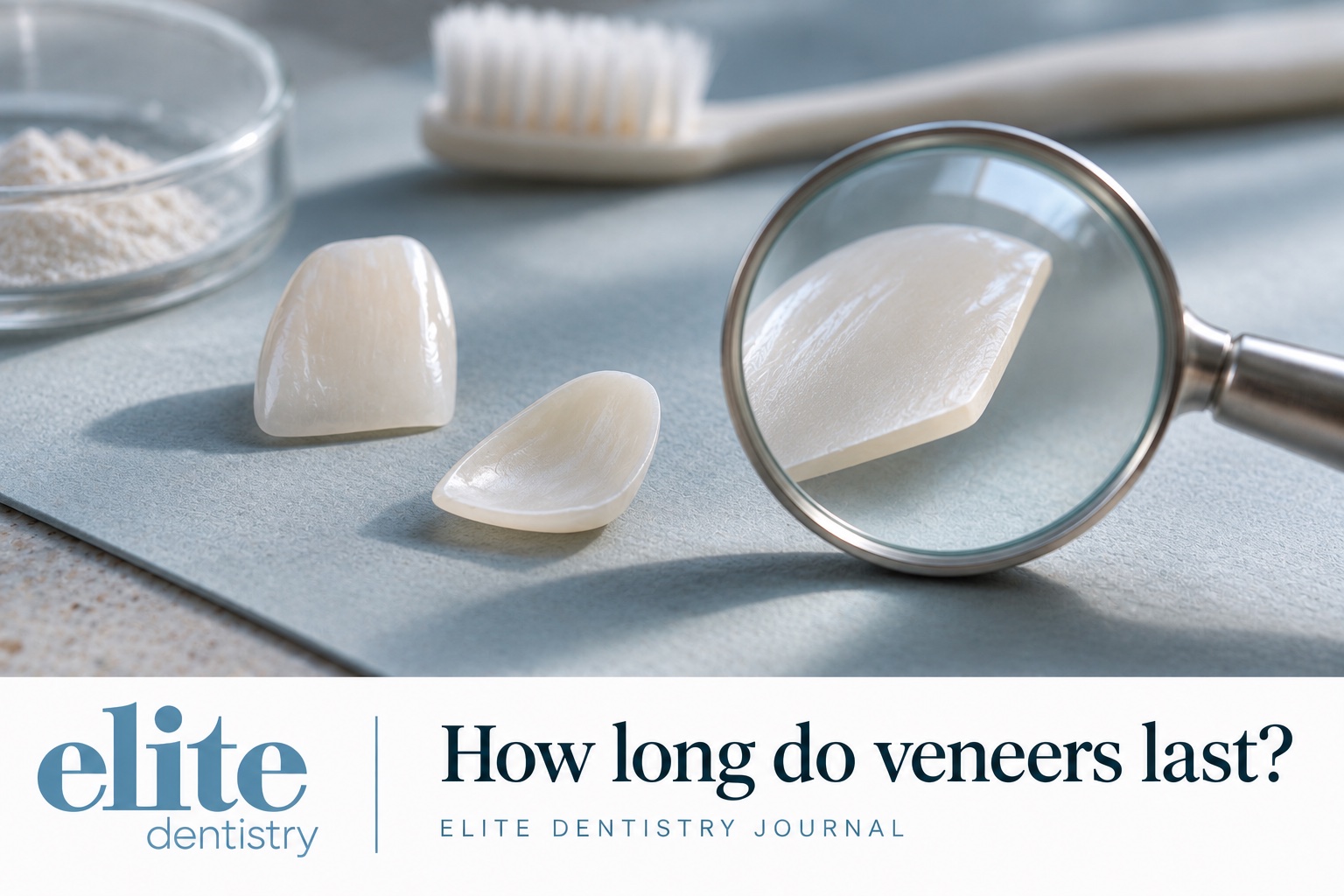
Porcelain veneers can remain in place for a decade or longer, but they have no guaranteed lifespan. Their condition, the health of the supporting teeth and changes in your bite matter more than a fixed replacement date. Plan for ongoing care and the possibility of repair or replacement before deciding on treatment.
Planning beyond the initial treatment
If you are considering porcelain veneers in Neutral Bay, the long-term commitment deserves as much attention as the initial appearance. A useful treatment plan explains what happens after fitting, including reviews, possible complications and future costs.
This guide focuses on how veneers age and how replacement decisions are made. For the changes involved in preparing a tooth, read our separate guide to veneers and tooth enamel.
What does the evidence say about veneer lifespan?
A systematic review published in the Journal of Esthetic and Restorative Dentistry found high survival rates for several ceramic veneer materials at around ten years. It also recorded technical, appearance-related and biological complications. A veneer remaining in place does not necessarily mean it has needed no attention. Read the review of ceramic veneer survival and complications.
These findings describe groups of restorations studied in particular settings. They cannot predict how long one veneer will last in your mouth or establish an automatic ten-year replacement rule. Ask your dentist what your existing tooth structure, bite and oral health mean for the proposed treatment.
The practical distinction is between lifespan and maintenance. A restoration may remain usable while still needing assessment or care. Equally, an unexpected problem can mean earlier treatment. An advertised lifespan should never substitute for a discussion of those possibilities.
Why might a veneer need attention?
Veneers and the teeth around them can change in different ways. Healthdirect’s veneer guidance identifies cracking, detachment, sensitivity, visible edges after gum recession and changes in the colour match with neighbouring teeth among the issues to discuss.
A change in appearance does not tell you its cause. An exposed edge, for example, needs assessment before you decide whether replacing the veneer is appropriate. Describe what has changed and when you first noticed it.
The American Dental Association’s patient guide also notes that veneers can chip, loosen or wear, and that decay can still develop around or beneath them. Clenching, grinding and some bite relationships can affect suitability. Mention these concerns before treatment and at later reviews.
Caring for porcelain veneers day to day
Brush twice daily with fluoride toothpaste and clean between your teeth each day. Avoid using your teeth to open packaging or biting hard objects such as pens and fingernails. A veneer does not protect the rest of the tooth from poor oral hygiene or excessive force. These precautions are consistent with the American Dental Association’s guidance linked above.
Keep attending dental reviews at the interval recommended for you. Healthdirect advises ongoing professional care as well as normal brushing and flossing. Ask the dentist to demonstrate cleaning around your restorations if you find an area difficult to reach.
Bring up any change in comfort, fit or appearance at review. If you notice a loose veneer or new pain, contact the practice for advice rather than waiting for the next routine appointment.
Repair, replacement or monitoring?
There is no single response to every chipped or ageing veneer. The American Dental Association describes re-bonding, repair and replacement as possible approaches, depending on the problem. An examination helps determine what is appropriate.
Useful questions at that appointment include:
- Is the problem in the veneer, the bond, the underlying tooth or the surrounding gum?
- Does it need treatment now, or can it be monitored?
- What would a repair achieve, and what are its limitations?
- If replacement is proposed, what further changes to the tooth would be needed?
- How would the colour and shape be matched to the neighbouring teeth?
Ask for the reason behind the recommendation. A cosmetic preference and a problem affecting tooth health may lead to different discussions about timing and treatment.
Include future care in your decision
Before agreeing to veneers, request a written estimate that separates the initial treatment from later reviews, repairs, protective appliances if prescribed, and replacement. Ask which items are included and which would attract another fee. Our porcelain veneer cost guide explains how to compare treatment estimates.
It is also reasonable to reconsider the extent of elective treatment. Depending on your concern, alternatives may include whitening, orthodontics, a smaller restoration or no cosmetic treatment. Healthdirect outlines these options. Your dentist can explain which are suitable and their own benefits and risks.
Take our veneer consultation questions to your appointment. Add one more: “What maintenance and replacement decisions should I expect to revisit over time?”
Discuss a long-term veneer plan in Neutral Bay
Contact Elite Dentistry if you are considering veneers or have noticed a change in an existing restoration. Bring any previous treatment records and explain your priorities. An assessment can help you understand the current condition of your teeth and the options before you commit to further treatment.
This article provides general information and does not replace a dental examination or individual advice. Veneers may involve irreversible tooth preparation and carry risks. Suitability, maintenance needs and outcomes vary between patients.